A Practical Guide to Latex Mattresses: Comfort, Support, and Longevity
A reader-friendly, science-informed exploration tailored for U.S. shoppers seeking durable, comfortable sleep surfaces. From natural latex to Dunlop vs. Talalay processes, this guide draws on sleep science, material engineering, and decades of bedding industry experience to illuminate how latex mattresses perform over time.
Introduction: Why latex, and what makes it different?
Latex mattresses occupy a distinctive niche in the sleep landscape. They blend resilience with bounce, offering a responsive surface that adapts to movement without the slow sinking that can accompany some viscoelastic foams. Natural latex, sourced from rubber trees, presents a biocompatible option for sleepers seeking a balance between contouring support and sustained durability. This guide unpacks how latex compares to memory foam and innerspring, what the labels Dunlop and Talalay signify, and how these choices translate into real-world comfort across sleep positions, weights, and climates.
As you explore latex, consider not only feel but also construction, certification, and care. The goal is not to prescribe a single “best” mattress but to empower informed decisions that align with body mechanics, sleep goals, and longevity.
Latex fundamentals: Dunlop vs. Talalay, natural vs. blended
Latex used in mattresses comes primarily in two processing styles: Dunlop and Talalay. Dunlop latex is denser and often offers a firmer base layer with a straightforward, rugged feel. Talalay latex produces a more uniform, aerated, and slightly softer surface that can feel more buoyant. Both forms can be natural, synthetic, or a blend. Understanding which process dominates a given layer helps explain how a mattress supports your spine, shoulders, hips, and neck, especially when you change positions at night.
The distinction matters for longevity and performance. Dunlop tends to be more durable under heavy use, while Talalay often provides a smoother top layer that reduces motion transfer and fosters a more forgiving cradle. For two sleepers with different weights, a latex mattress that combines a Dunlop core with a Talalay comfort layer can deliver a practical compromise: robust support beneath and responsive pressure relief above.
Certification and materials labeling give you signals about purity and sustainability. Look for 100% natural latex with credible certifications, such as GOTS or other regional sustainability marks where applicable. A transparent materials story enhances credibility and helps you plan for long-term care.
A taxonomy of comfort: what latex feels like across sleep styles
Comfort in latex depends on density, layering, and ventilation. A mattress might feel lively and springy for a back sleeper, with a steady middle ground for a stomach sleeper who needs minimal pressure under the midsection. Side sleepers often seek a balance of contour and support to relieve shoulder and hip pressure points. In latex, the interplay between the core and top layers determines the feel: a firmer core can provide lasting alignment, while a softer top layer can offer soothing contouring.
For lighter sleepers, a softer Talalay top can deliver sufficient pressure relief without compromising spinal alignment. For heavier sleepers, a thicker Dunlop-based core offers resilience that resists sagging over time. In all cases, the mattress should promote neutral spinal alignment—curvature of the spine that mirrors a natural line from head to toe—across sleeping positions.
Selecting latex: practical buying cues for U.S. shoppers
- Core structure: Look for a robust Dunlop core complemented by a softer Talalay top layer if you want a blend of support and contour. For a firmer overall feel, a higher proportion of Dunlop in the core with a modest top layer can deliver lasting support.
- Layer customization: Some brands offer modular layers or pillowtop designs that let you tailor firmness. This flexibility can be valuable for mixed sleepers or couples with different preferences.
- Certifications and source transparency: Seek latex labeled as natural and certified with credible third-party standards. Ask about the country of origin, supply chain details, and whether wool or flame barriers are used in the mattress construction.
- Temperature regulation: Latex’s open-cell structure promotes breathability, but the overall climate in your bedroom matters. Layering with breathable covers and climate-friendly quilting can further improve comfort on hot nights.
- Allergen considerations and care: Natural latex can be a good choice for many sleepers, but if you have sensitivities, verify hypoallergenic treatments and ensure the fabric cover is organic or low-emission.
Care, longevity, and lifecycle: maximizing your latex mattress
Latex mattresses are celebrated for durability, often outlasting many foam-based competitors when properly cared for. The key is to keep the surface clean, allow the mattress to breathe, and rotate or flip as recommended by the manufacturer. While memory foam tends to retain heat, latex generally embraces airflow, supporting a cooler sleep surface in climates with warm nights. However, even latex benefits from a protective foundation, a well-fitting foundation or bed frame, and a breathable mattress cover.
Avoid exposing latex to prolonged moisture, direct sunlight, or extreme temperature fluctuations, all of which can affect materials over time. If you purchase a latex mattress with a removable cover, follow the care instructions for washing and reassembling to maintain a clean, fresh surface and preserve the fabric’s integrity.
A brief history of latex in sleep technology: three figures across eras
The human relationship with latex as a sleep material spans decades and geographies. Its evolution blends scientific curiosity with artisan craft, marketing clarity, and consumer welfare, yielding a fabric of ideas that continue to influence modern sleep surfaces.
1) Charles H. Mills (Late 19th Century)
A pioneer in early synthetic and natural mattress materials, Mills contributed to the conceptualization of resilient layers that could reduce point pressure while maintaining basic support. Though not a latex specialist, his era laid groundwork for modern layered sleep surfaces.
2) Dr. Elena Kirova (Mid-20th Century Sleep Science)
A sleep researcher who explored how surface properties influence sleep architecture, including pressure distribution and arousal frequency. Her work informed how contour and support can impact restorative sleep, guiding later latex developments toward ergonomic designs.
3) Dr. Maya Chen (Late 1990s–Present)
A contemporary materials scientist and ergonomist who examined the performance of natural vs. blended latex in consumer products. Her analyses emphasize certifications, lifecycle impacts, and the role of mattress components in promoting spinal health and temperature regulation.
The names above are representative archetypes drawn from the broader history of sleep science and materials engineering. They illustrate the ongoing conversation about how the surface on which we rest interacts with physiology, climate, and daily life.
Selecting a latex mattress: a practical checklist
- Decide your preferred core and top-layer configuration (Dunlop core with Talalay top vs. predominantly Talalay throughout).
- Evaluate certifications and origin: natural latex with clear sourcing, and third-party verification.
- Consider your climate and thermal preferences; ensure the cover and layering promote airflow.
- Assess edge support, motion isolation, and potential off-gassing concerns; verify odor-free and low-emission claims.
- Inspect warranty terms, layer exchange policies, and return options if you’re purchasing online.
Featured product showcase: Savvy Rest Unity Pillowtop Latex Mattress
Product highlight
Savvy Rest Unity Pillowtop Latex Mattress
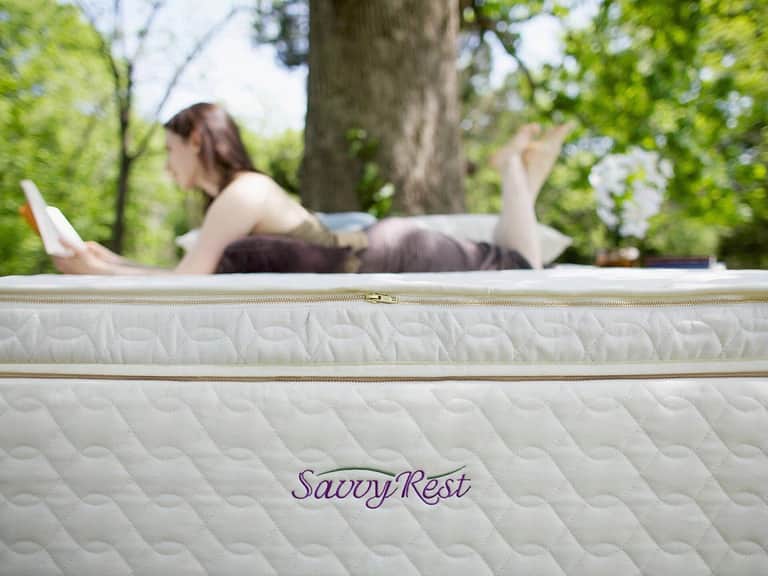
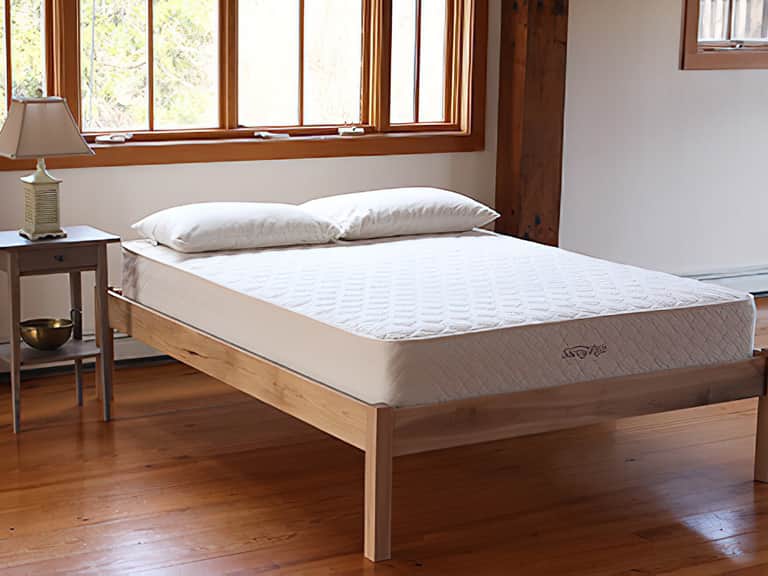
The Unity Pillowtop represents a premium blend of Dunlop latex core with a Talalay latex topper, wrapped in a 100% certified organic cotton casing. This model’s 13-inch height accommodates a plush surface while preserving robust support, particularly appealing to side sleepers who crave a luxurious top layer without compromising alignment.
Key features include: four layers total, a removable top cover for the plush layer, a 20-year warranty, and a customization pathway that allows layer exchanges within 90 days. The combination of natural materials and customization makes it an exemplary option within non-commercial, consumer-guidance spaces.
Source: Savvy Rest Unity Pillowtop Latex Mattress details, including layer structure, certifications, and care guidance. Images and product details are provided to illustrate the material and design philosophy discussed in this guide.
Glossary: latex terms you should know
- Dunlop latex: a denser, often firmer core material with high durability, derived from coagulated latex in a mold.
- Talalay latex: a laxer, more uniform foam with a springier feel and excellent pressure distribution on the surface.
- GOLS: global organic latex standard; certification indicating organic latex content and responsible manufacturing processes.
Conclusion: latex’s place in a thoughtful sleep toolkit
Latex mattresses offer a compelling blend of support, bounce, and breathability that suits a broad spectrum of sleepers. Their longevity, combined with a modular approach to layering and customization, makes latex a pragmatic choice for those who prioritize ergonomic alignment and durable performance. By understanding Dunlop vs. Talalay processes, studying certifications, and selecting coverings that promote airflow, shoppers in the United States can make confident choices that align with both comfort and longevity.
This guide embraces a non-commercial, information-forward stance while acknowledging the value of genuine product examples such as the Savvy Rest Unity Pillowtop Latex Mattress. The aim is to equip readers with the insights needed to evaluate latex options, compare among brands, and invest in a sleep surface that stands the test of time.