 Mattresses
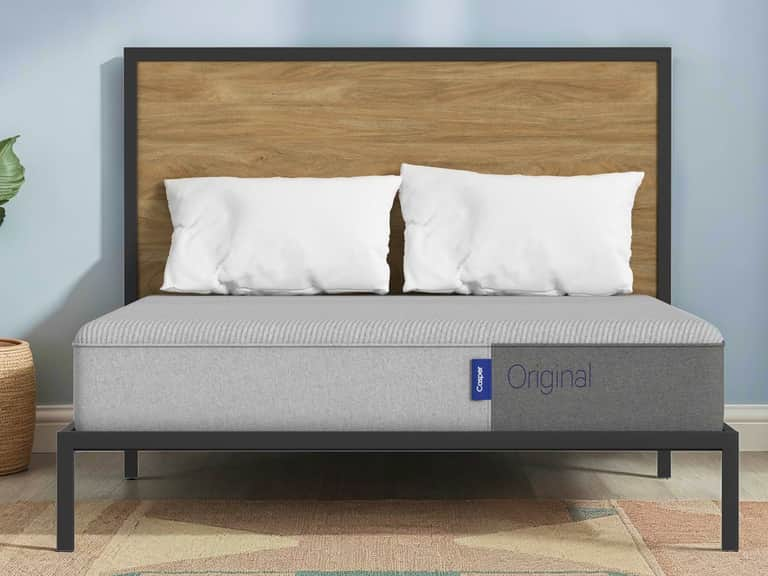
Original Mattress
Sleep cooler and cradled by responsive foam that supports your spine with three ergonomic zones, adapting to your movements for steady, balanced comfort from top to base.
Foam mattresses are designed to contour to the body, providing targeted pressure relief and motion isolation for uninterrupted sleep. Memory foam, polyurethane foam, and latex hybrids each offer different density levels, impacting support, durability, and cooling. The category typically emphasizes weight distribution, spine alignment, and compatibility with various bed foundations such as slatted frames and platform bases.
Original Mattress is engineered to balance comfort and support with multiple foam layers that adapt to sleep posture. Key features often include medium firmness, open-cell construction for breathability, and durable foam blends that resist sagging. Functional benefits include reduced motion transfer and consistent spinal alignment across sleeping positions.
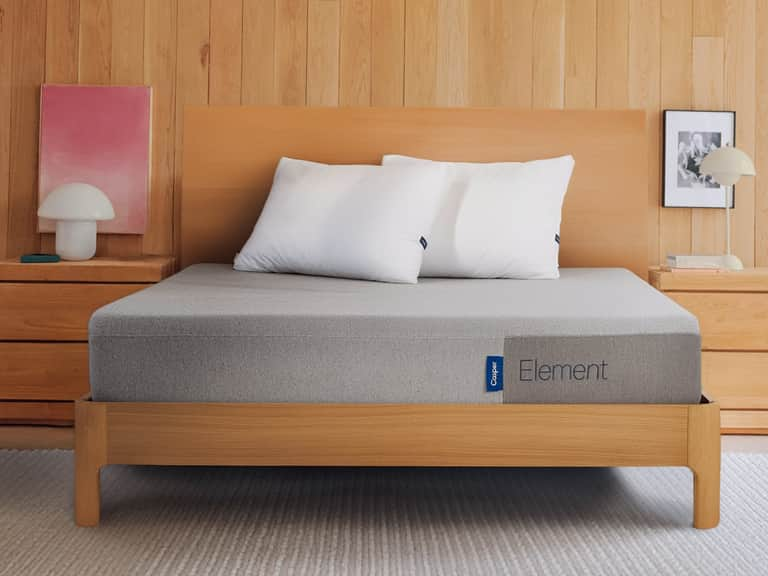
Element Mattress emphasizes value and versatile comfort through a layered foam system. It usually highlights responsive transition foams that relieve pressure points while maintaining easy inner-core support. For users, this translates to comfortable initial feel paired with long-term stability suitable for side, back, or combo sleepers.
In educational terms, choosing a foam mattress involves assessing density, thickness, and cooling properties. Higher density foams typically offer better durability and support, while breathable covers and gel-infused foams help regulate temperature. Understanding these characteristics supports informed decisions aligned with individual sleep needs and preferences.
Common considerations across foam mattresses include compatibility with bedding accessories such as sheets, memory foam pillows, and organic mattresses alternatives. The category also intersects with broader bedding topics, helping users compare comfort layers, edge support, and long-term performance within a holistic sleep environment.
Mattresses
 Mattresses